Skip to content
Animal HospitalShift Desk
Story and NPC reference

Animal Hospital Characters Guide

Meet the recurring characters from the early shifts and see which choices can change their story.

Spoiler-light story help

How to follow Animal Hospital characters and branching choices

The character guide focuses on recurring roles and decision areas rather than claiming one route is the only correct story. Read dialogue, note who introduced a choice, and keep treatment and security moving while one teammate tracks the branch.

01

Separate role from route outcome

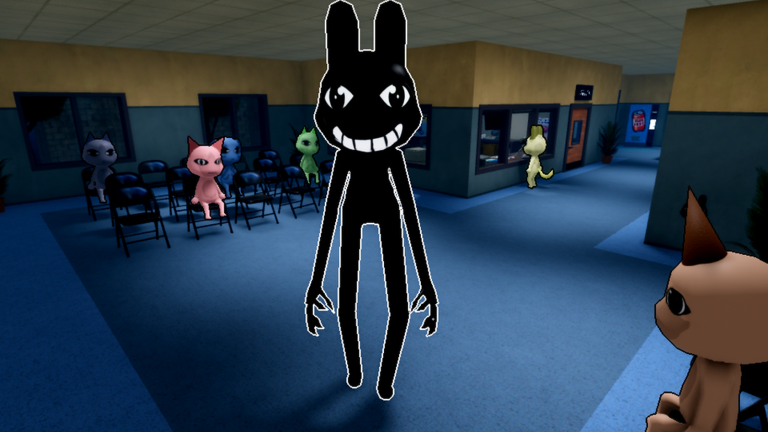
Barney is a recurring visitor connected to early coffee and suitcase decisions. Dr. Harlow introduces the hospital and supports progression. Officer Duckman belongs to a police-related branch, while Ratthew is associated with warnings and dangerous story events. Those roles are more stable than a detailed retelling of one community route.

When two accounts disagree, record the choice that may have caused the branch instead of forcing both outcomes into one timeline. A player who selected a different dialogue or item may legitimately see another sequence. The live route in your current shift is the evidence that matters most.

02

Track choices without stopping the hospital

In a team, assign one player to read and summarize important dialogue while others maintain reception, CCTV, and treatment. State the choice before confirming it so teammates can object if they remember a different goal. After the event, write down the visitor, item, dialogue option, and immediate result.

Avoid using character knowledge as an anomaly shortcut. A familiar name or previous story does not replace the current patient checks. Keep narrative decisions and safety observations in separate notes so that a memorable NPC does not cause the team to skip the normal window, photo, file, and CCTV sequence.

03

Use spoiler boundaries deliberately

Before reading deeper notes, decide whether you want identity help, choice guidance, or a full outcome. This page stays at the first two levels. It tells you who returns and where attention matters without publishing every consequence. That keeps the guide useful during a first playthrough.

Updates may add characters or change branches. When reporting a new route, include the shift context and the choice that preceded it, not just the ending. That makes the evidence easier to compare and prevents one dramatic clip from becoming an unsupported universal claim.

04

Build a useful route note

A useful note includes the character, shift context, item or dialogue choice, immediate response, and what happened next. It does not need a dramatic theory. Consistent details let players compare routes without confusing memory, editing, and speculation.

When sharing a spoiler, label how far it goes and separate direct observation from community interpretation. That keeps the character guide helpful to both first-time players and fans who want to investigate branches.

Keep names, roles, and decision points searchable in the note. A clear record is easier to update when a later shift reveals another branch, and it prevents the guide from repeating the same rumor in several character sections.

Animal Hospital patients and a dark figure in the waiting room
01
Recurring visitor

Barney

A recurring patient connected to coffee and suitcase choices during early shifts.

02
Hospital supervisor

Dr. Harlow

Introduces the shift, explains mechanics, and supports progression through the hospital.

03
Police storyline

Officer Duckman

Appears in a branching story connected to the early Barney sequence.

04
Warning and story NPC

Ratthew

A recurring figure associated with warnings, danger, and community-documented story events.

Read the dialogue

Choices can matter. Avoid skipping conversations when a recurring visitor appears.

Expect branches

Coffee, suitcase, police, and danger events may change what happens next.

Share story calls

One teammate can track NPC decisions while others maintain treatment and security.

We use optional Google Analytics only if you allow it. Future ads may use third-party cookies or similar identifiers; details are listed in the Privacy Policy.