01
Start with the window
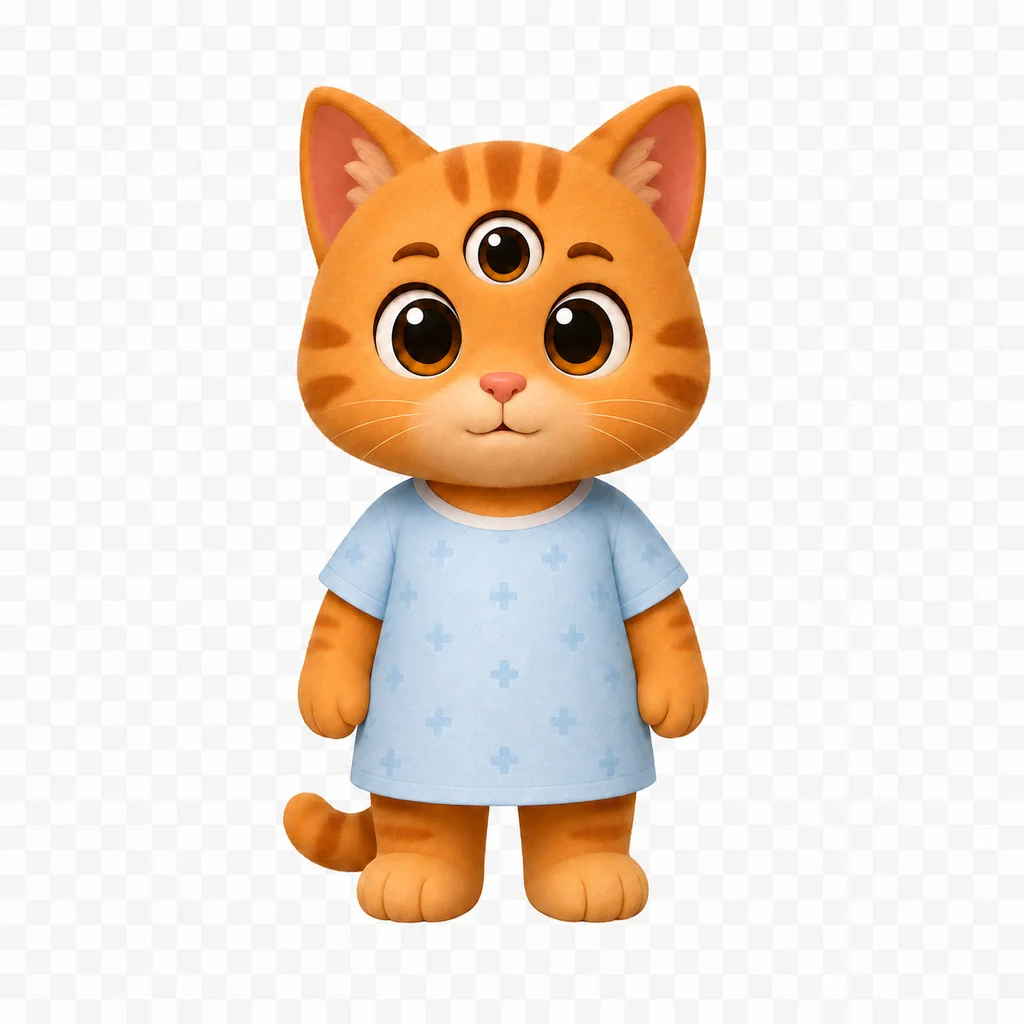
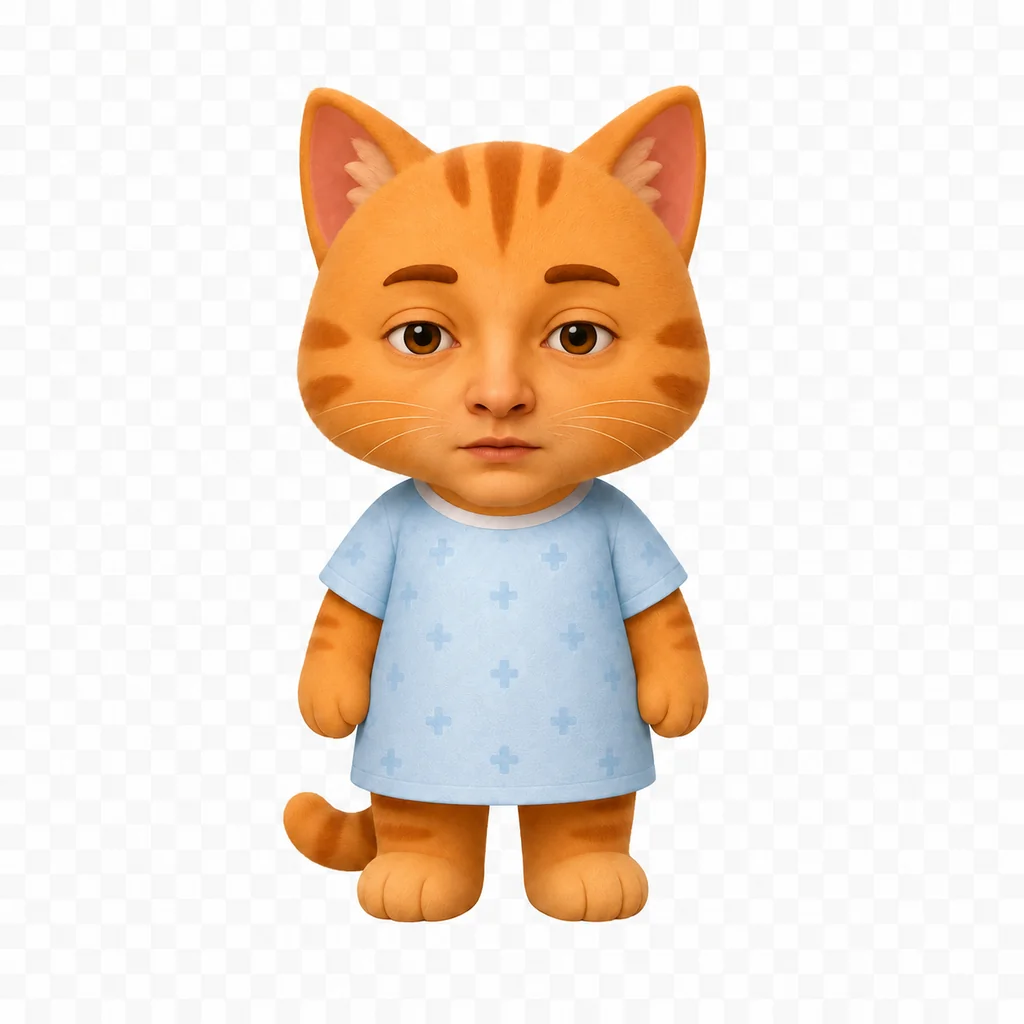
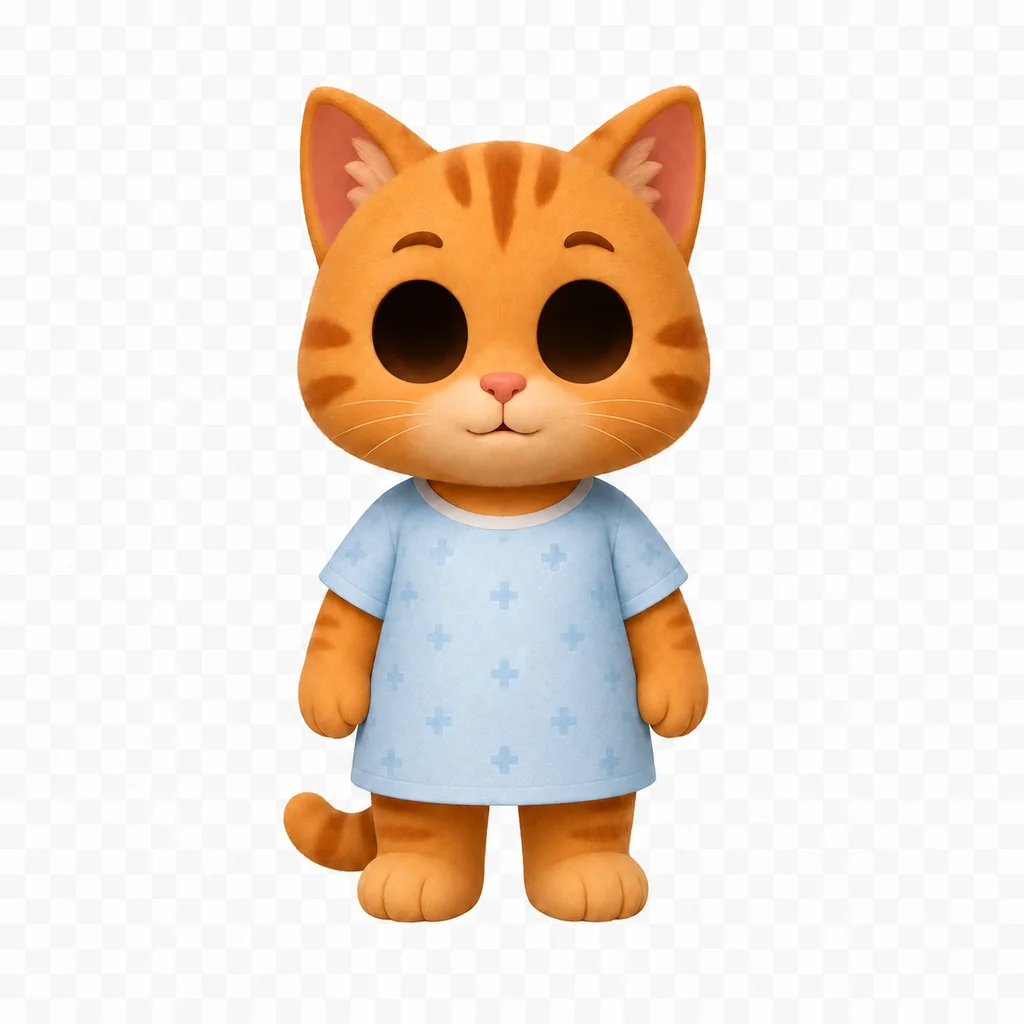
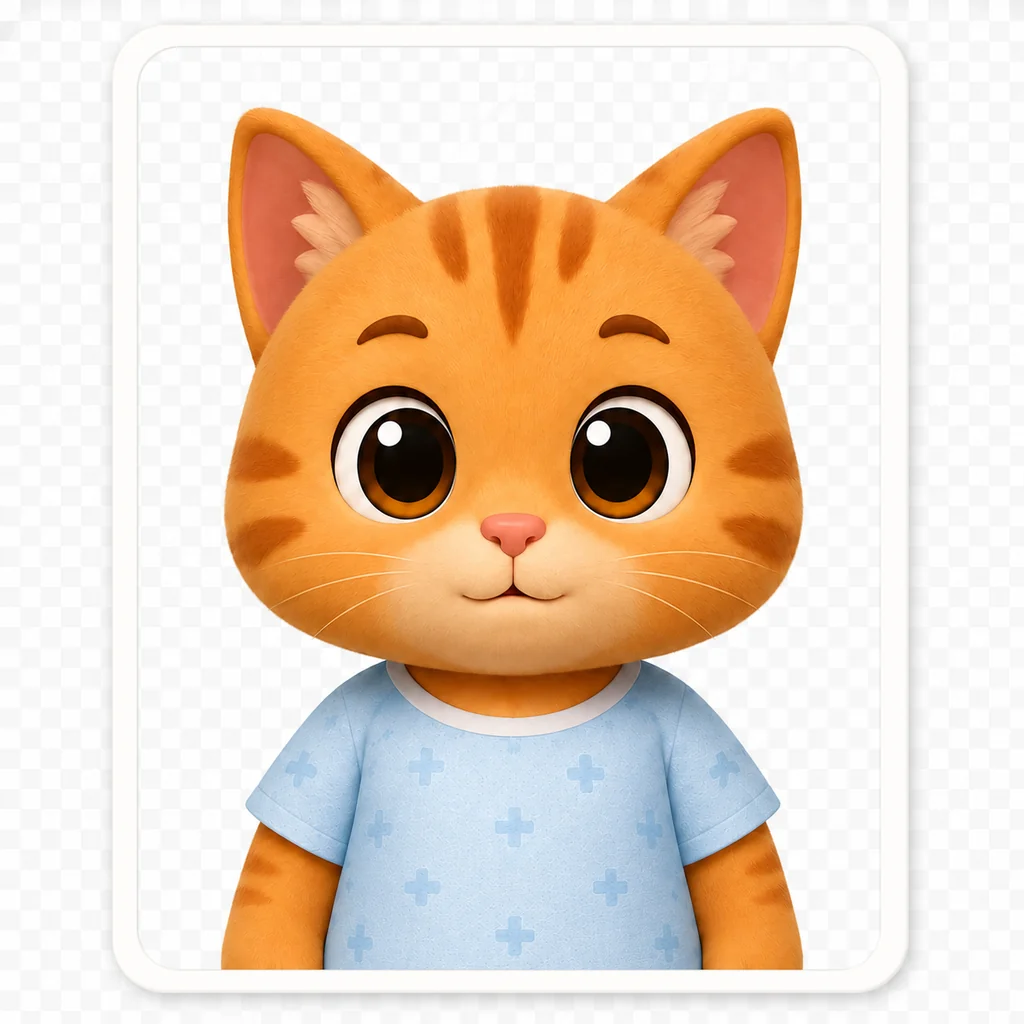
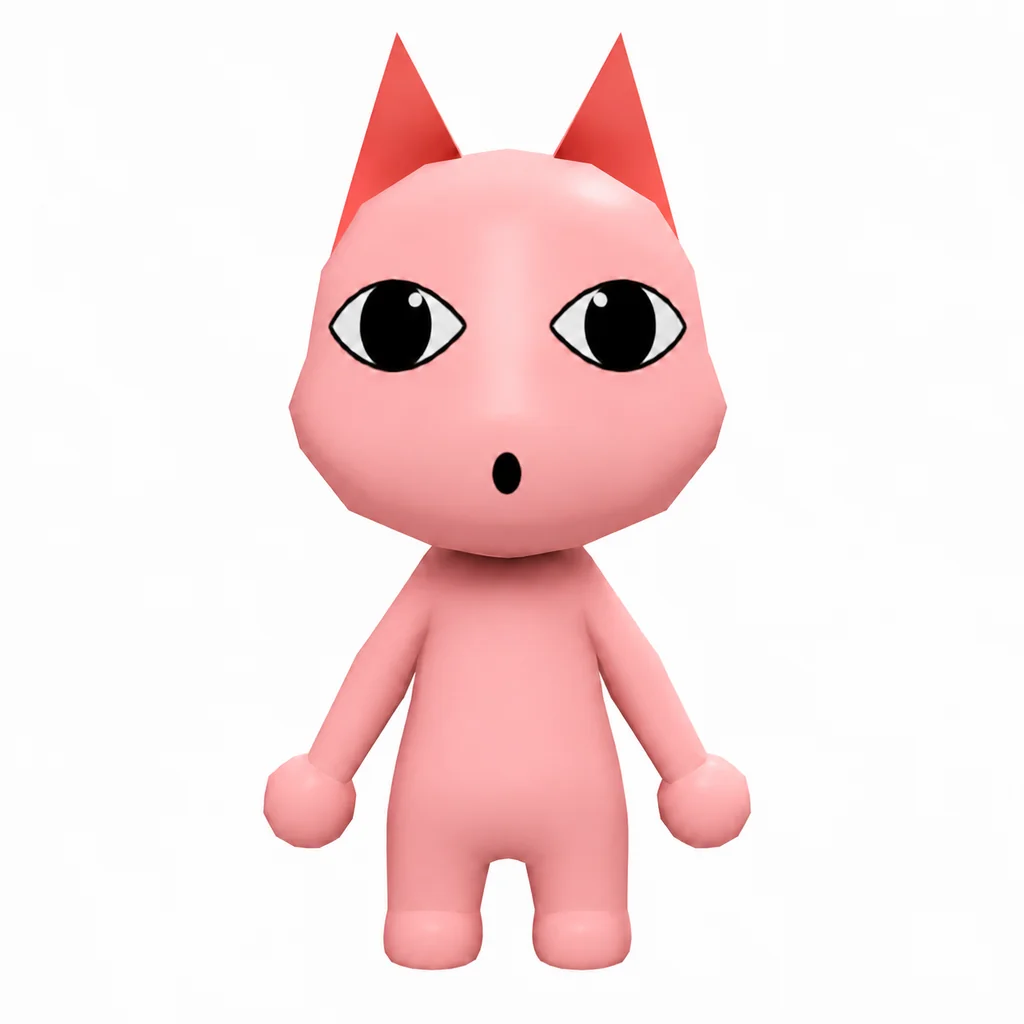
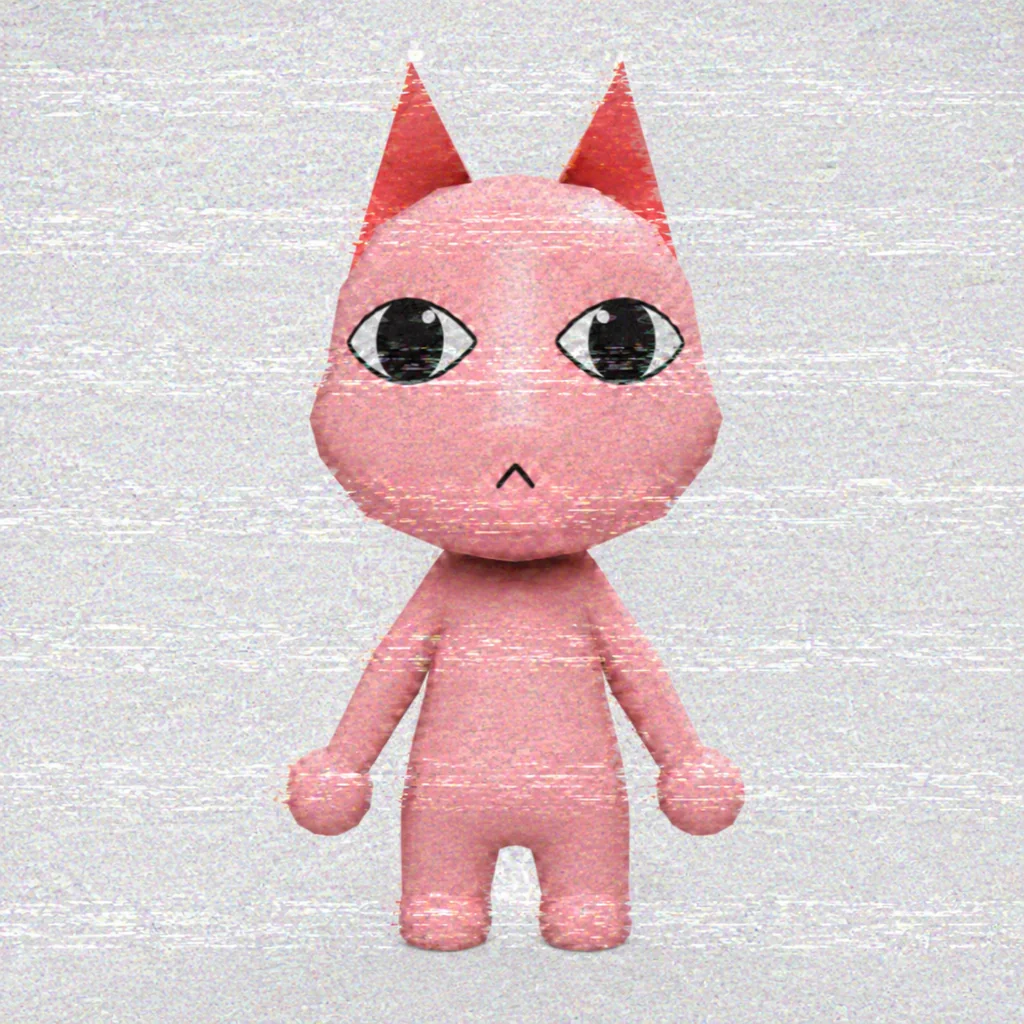
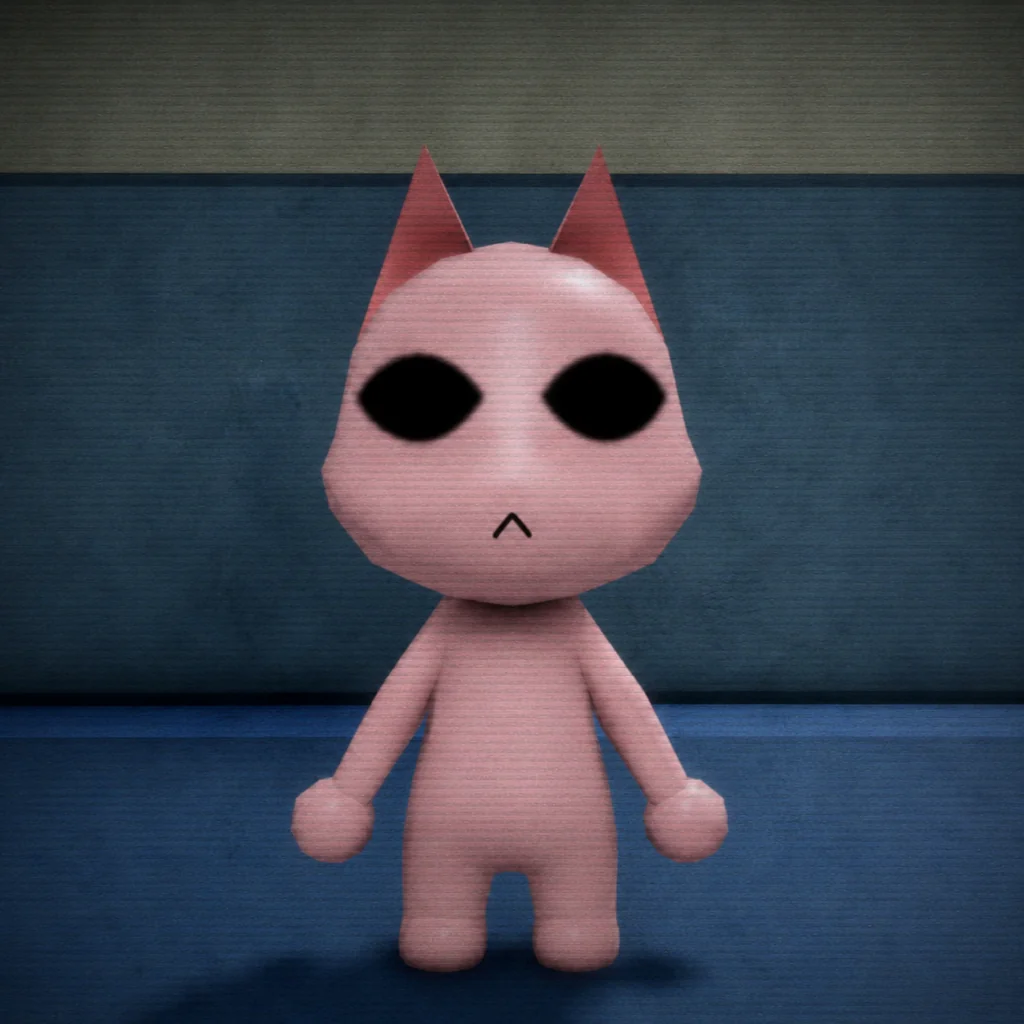
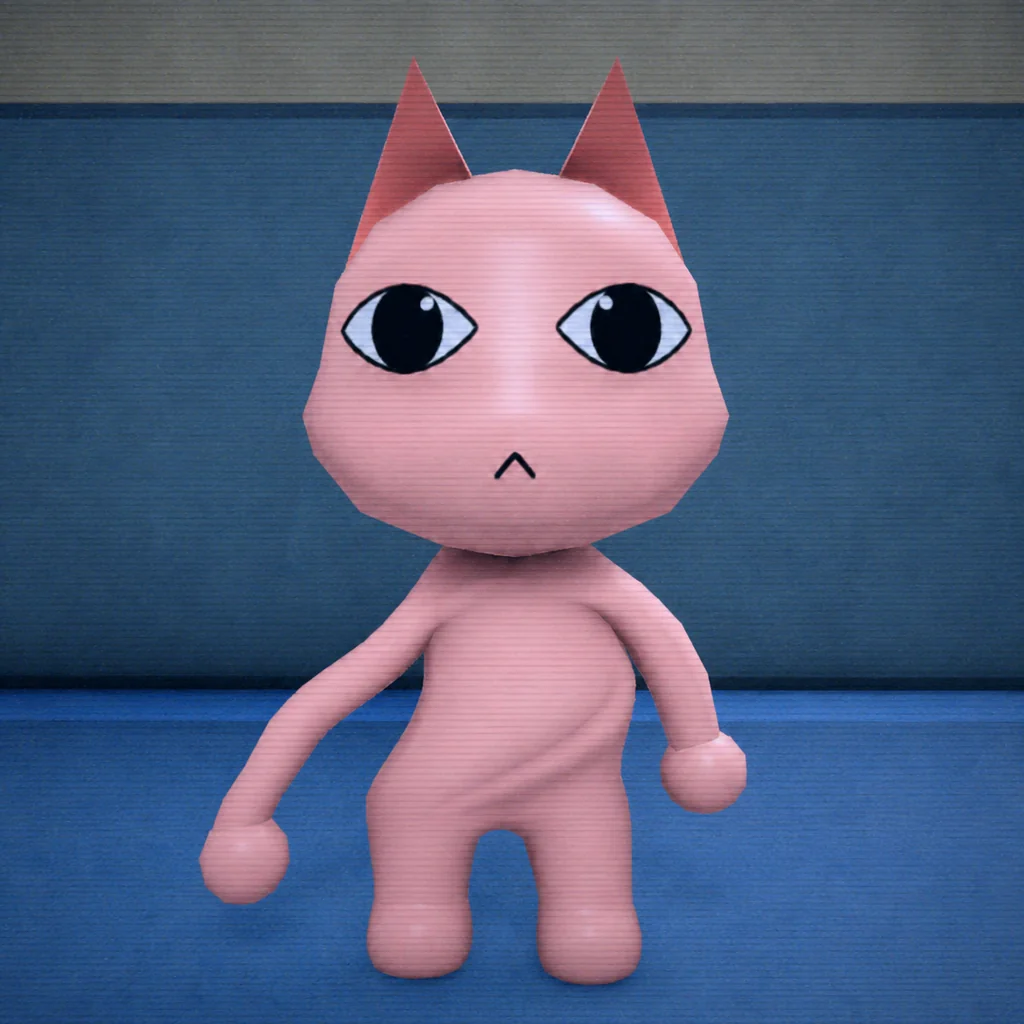
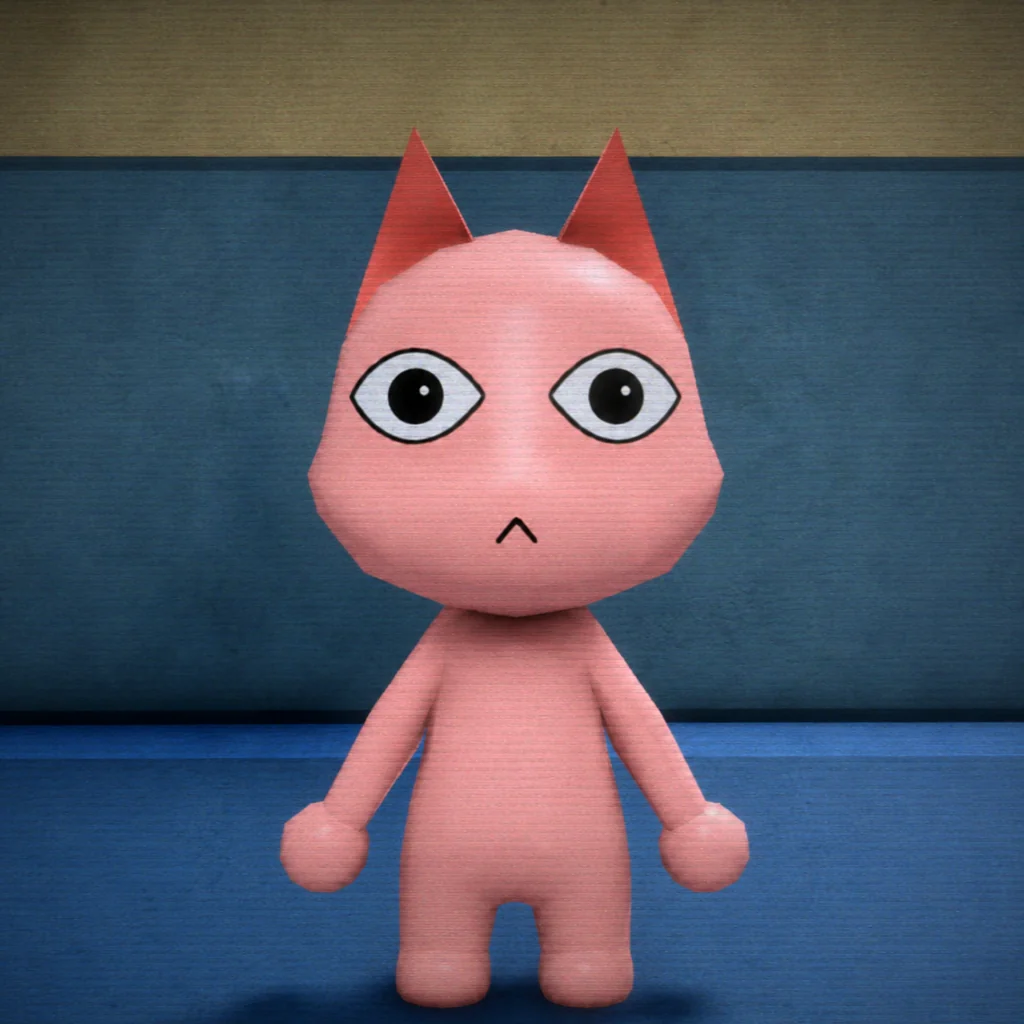
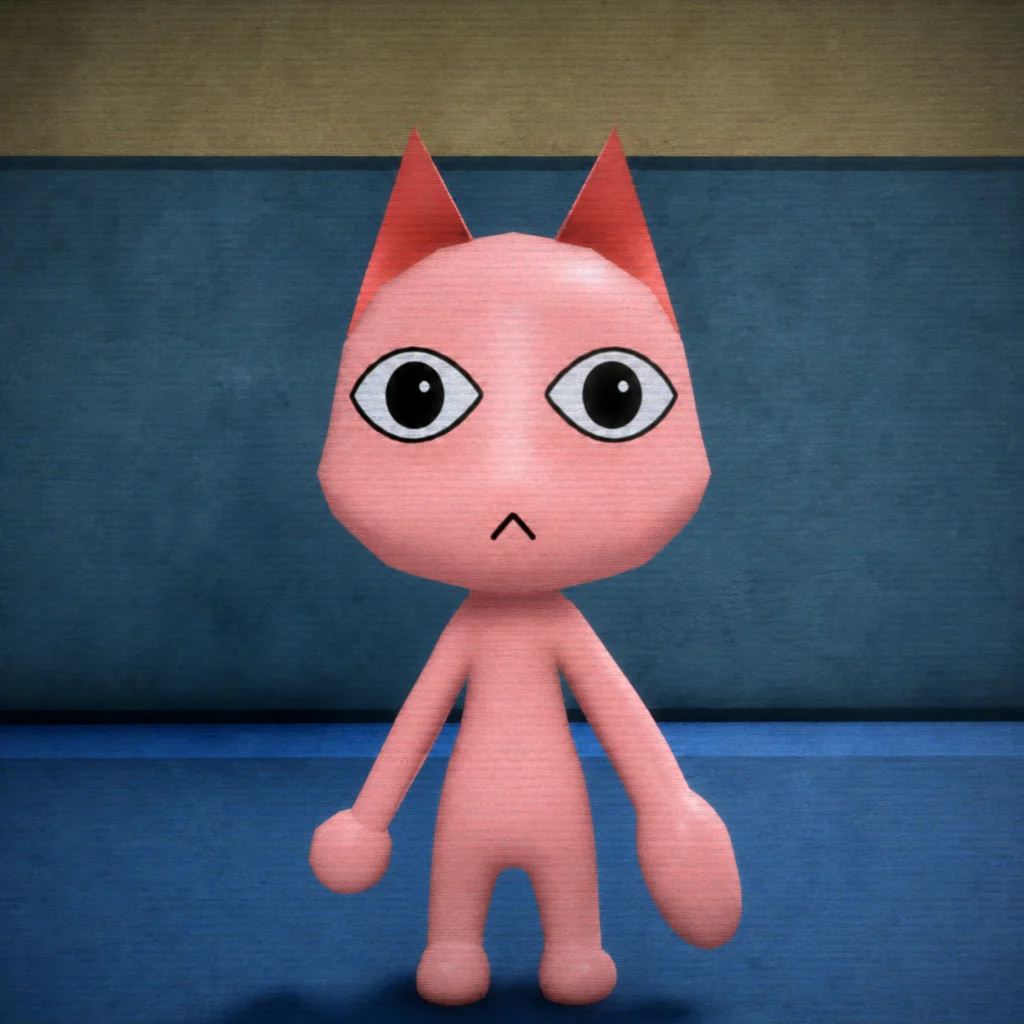
The window gives you the cleanest first impression of the face and movement. Compare eyes, teeth, ears, color, jaw shape, and repeated twitching before opening another view. Describe what is different instead of saying only that the patient looks wrong. A specific call such as an extra eye or mismatched teeth is easier for teammates to verify.
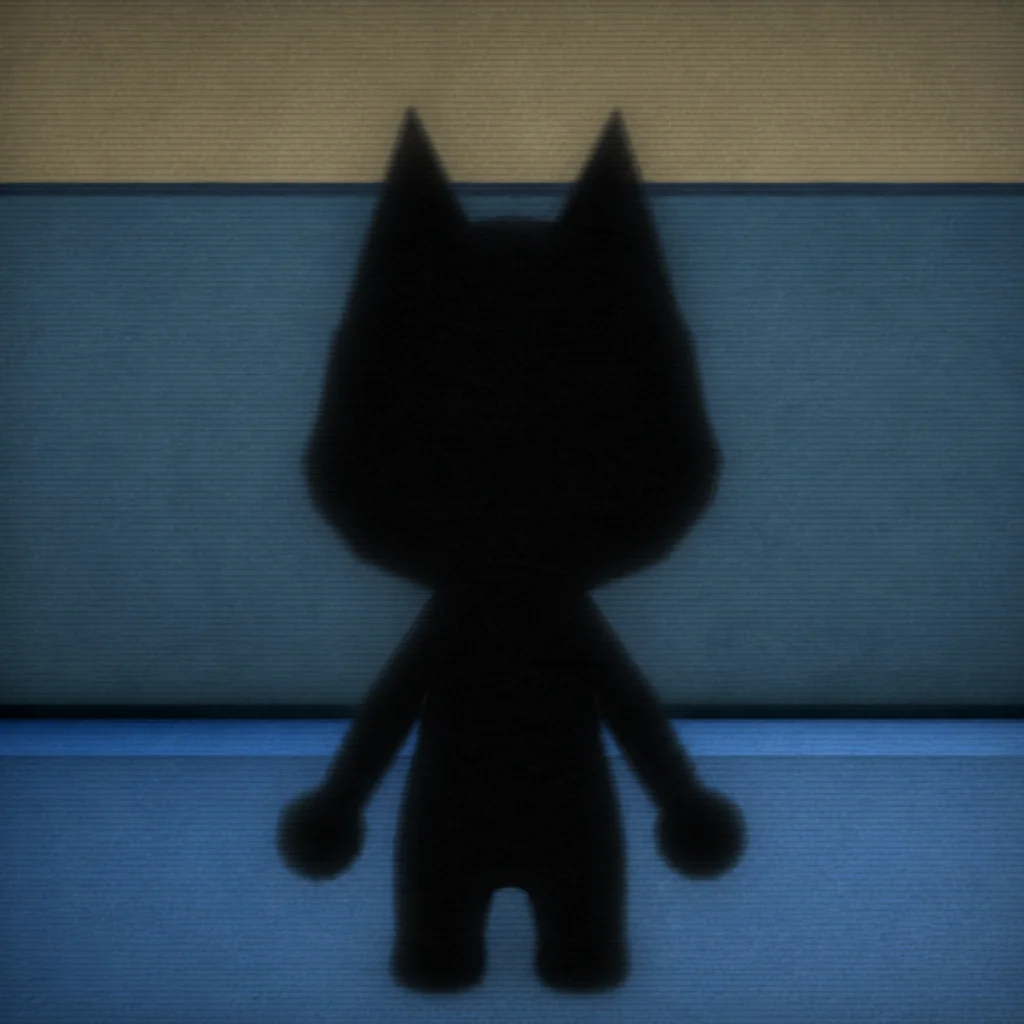
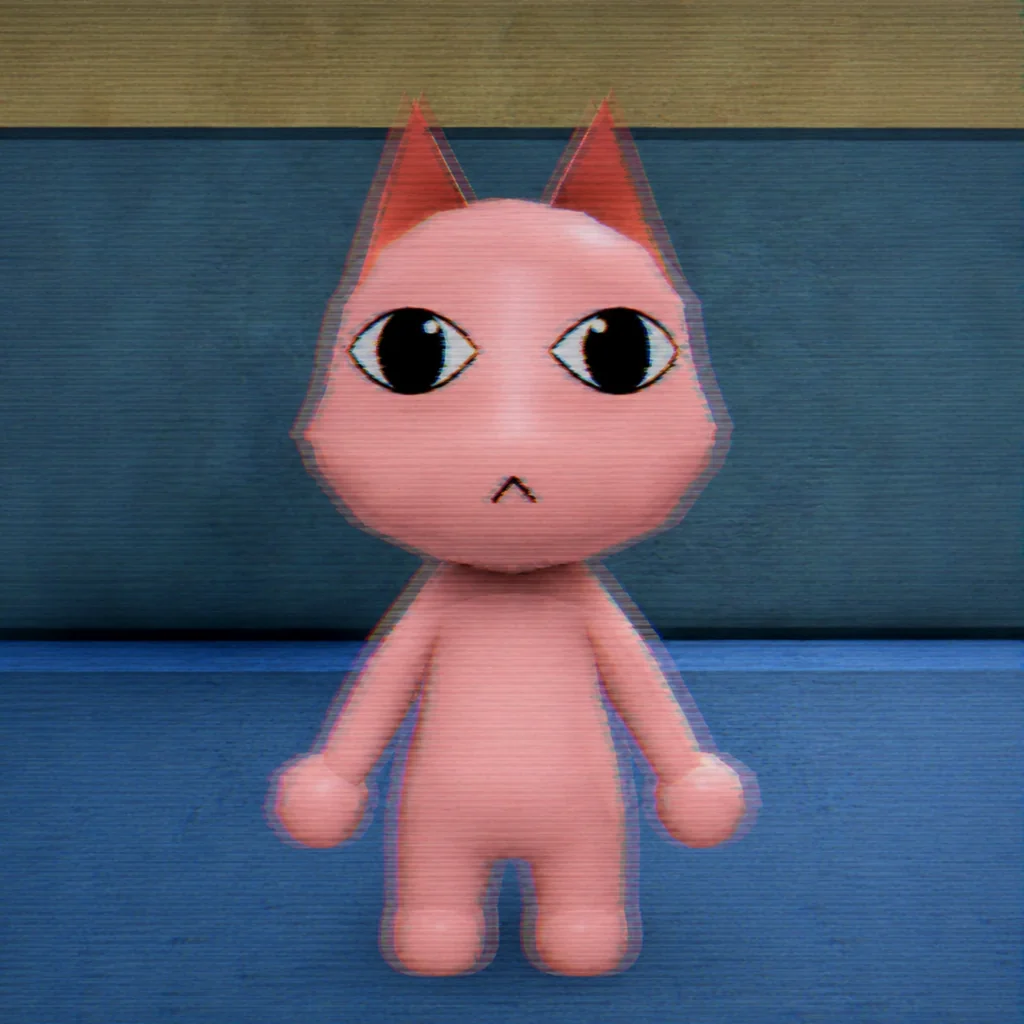
Normal-looking window details are not proof by themselves. Some documented warning patterns appear more clearly after the patient moves to the waiting room. Record the first observation, then compare it with the photo and CCTV rather than letting a strong first impression decide the whole file.